
The Psychology Behind Bluffing
Understanding the psychology behind bluffing is essential for mastering this art in poker. Bluffing is not merely about deception; it’s about reading your opponents and gauging their reactions. A successful bluff often hinges on putting yourself in the mindset of your opponents, predicting their behavior based on their betting patterns and body language. Many players also explore strategies used in games like australian online casino payid to enhance their bluffing techniques, as this uncertainty presents an opportunity for a well-timed bluff.
Moreover, successful bluffing requires a keen awareness of your position at the table. Players in early positions typically face more scrutiny, making it harder to convince others of a strong hand. Conversely, players in late positions have more information about their opponents’ actions, allowing them to exploit weaknesses more effectively. Understanding when and how to apply pressure is crucial. For instance, if the table is tight and players are hesitant to play aggressively, a well-placed bluff can capitalize on their caution.
Finally, the emotional aspect of poker also plays a pivotal role in bluffing. Maintaining a calm and composed demeanor can work wonders when you’re trying to convince others of a strong hand. If you can project confidence, other players are more likely to fold against you. Conversely, if you appear anxious or unsettled, your opponents might pick up on this and call your bluff. Practicing your emotional control can significantly enhance your bluffing abilities at the casino.
Recognizing the Right Moments to Bluff
Recognizing when to bluff is just as important as how to bluff. The context of the game heavily influences bluffing opportunities. For example, if the board reveals potentially strong hands, bluffing may be more effective, as players may be more inclined to call. Conversely, if the community cards don’t align well for strong combinations, players might be less likely to fold. Understanding the dynamics of the table and the tendencies of your opponents can help you identify these moments with greater accuracy.
Additionally, bluffing should never be a mindless endeavor; it requires a strategic approach. One effective tactic is to observe how your opponents play in various situations. If a particular player tends to fold under pressure, this might signal a ripe opportunity for a bluff when you hold a mediocre hand. Recognizing these patterns can significantly tilt the odds in your favor. Take mental notes of each player’s style and adjust your strategy accordingly.
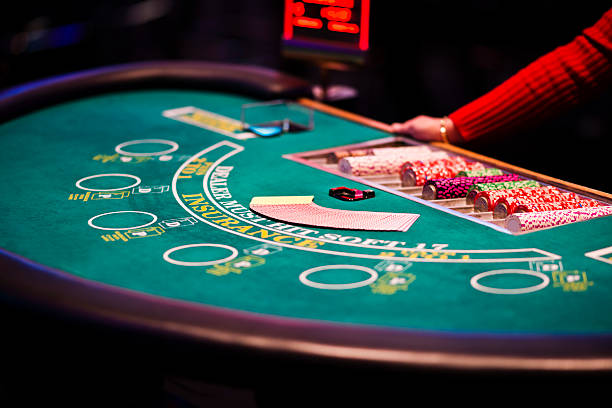
Lastly, consider the stakes of each situation. At lower-stakes tables, players may be more inclined to call a bluff, as they are often less experienced and more attached to their chips. On the other hand, at higher-stakes tables, players are generally more skilled and attentive, making bluffing a riskier proposition. Adjusting your bluffing tactics based on the stakes can determine your success or failure in the game.
Types of Bluffs in Poker
There are various types of bluffs in poker, each tailored to different situations. One common type is the pure bluff, where a player bets aggressively despite having a weak hand, hoping to force opponents to fold stronger hands. This type of bluff is particularly effective when the board presents a possibility for strong hands, as it instills doubt and hesitation among opponents. A classic example occurs when a player raises on the river after a series of aggressive bets, leading opponents to question their own holdings.
Another type of bluff is known as a semi-bluff. This occurs when a player bets with a drawing hand that could improve on later streets. For instance, holding four cards to a flush can be an excellent opportunity for a semi-bluff. If your opponents fold, that’s a win. If they call, you still have a chance to hit your draw and potentially win the hand. This strategic duality allows you to maintain pressure on the table while also keeping your options open.
Finally, the “value bluff” is another popular strategy. This occurs when players believe they might have the best hand but are unsure. By betting, they encourage opponents to fold what they perceive as stronger hands, effectively monetizing their uncertainty. Value bluffs work best in scenarios where players believe they have low equity but can still create doubt in their opponents’ minds. This technique often catches seasoned players off guard, making it a powerful tool in any poker arsenal.
Reading Opponents: The Key to Successful Bluffing
Successful bluffing is heavily reliant on your ability to read opponents. This involves paying close attention to their betting patterns, behavioral cues, and overall demeanor. A player who is typically aggressive suddenly becoming passive may indicate that they are uncertain about their hand. Conversely, if a usually cautious player makes an unexpected big bet, it can signal strength. Gathering these insights allows you to make informed decisions about when to bluff effectively.

Understanding your opponents’ tendencies is crucial in this regard. For example, novice players might be more prone to calling bluffs, particularly if they are attached to their hands. In contrast, experienced players are likely to weigh odds more carefully and be more inclined to fold when faced with a well-structured bluff. This information can guide your bluffing strategy, enabling you to adapt your approach based on the player types at the table.
Additionally, maintaining your own poker face is vital while bluffing. If you give off any hints that might reveal the strength or weakness of your hand, you could inadvertently sabotage your bluff. Keeping a consistent demeanor allows you to remain unpredictable and maintain control over the table’s psychological dynamics. Combining your observational skills with emotional composure can elevate your bluffing game to a new level of sophistication.
Become a Better Bluffer with Online Resources
Improving your bluffing skills can be achieved by leveraging various online resources. There are numerous poker strategy websites and forums where players share their experiences and insights on bluffing. Engaging in these communities can provide valuable tips and techniques that you can apply to your own game. Additionally, many of these platforms often feature hand analysis tools, allowing you to dissect your own play and learn from your mistakes.
Online poker simulations can also be a fantastic way to practice bluffing without the pressure of a live environment. By playing against AI opponents, you can experiment with different bluffing strategies and receive instant feedback on your performance. Some platforms even offer video tutorials on reading opponents and effective bluffing tactics, providing a well-rounded approach to skill enhancement.
Ultimately, mastering the art of bluffing requires a commitment to continuous learning and adaptation. As you gather experiences from both online and live play, you will develop a more intuitive sense of when and how to bluff effectively. Understanding the intricacies of the game will not only boost your confidence but also enhance your overall poker experience at the casino.